
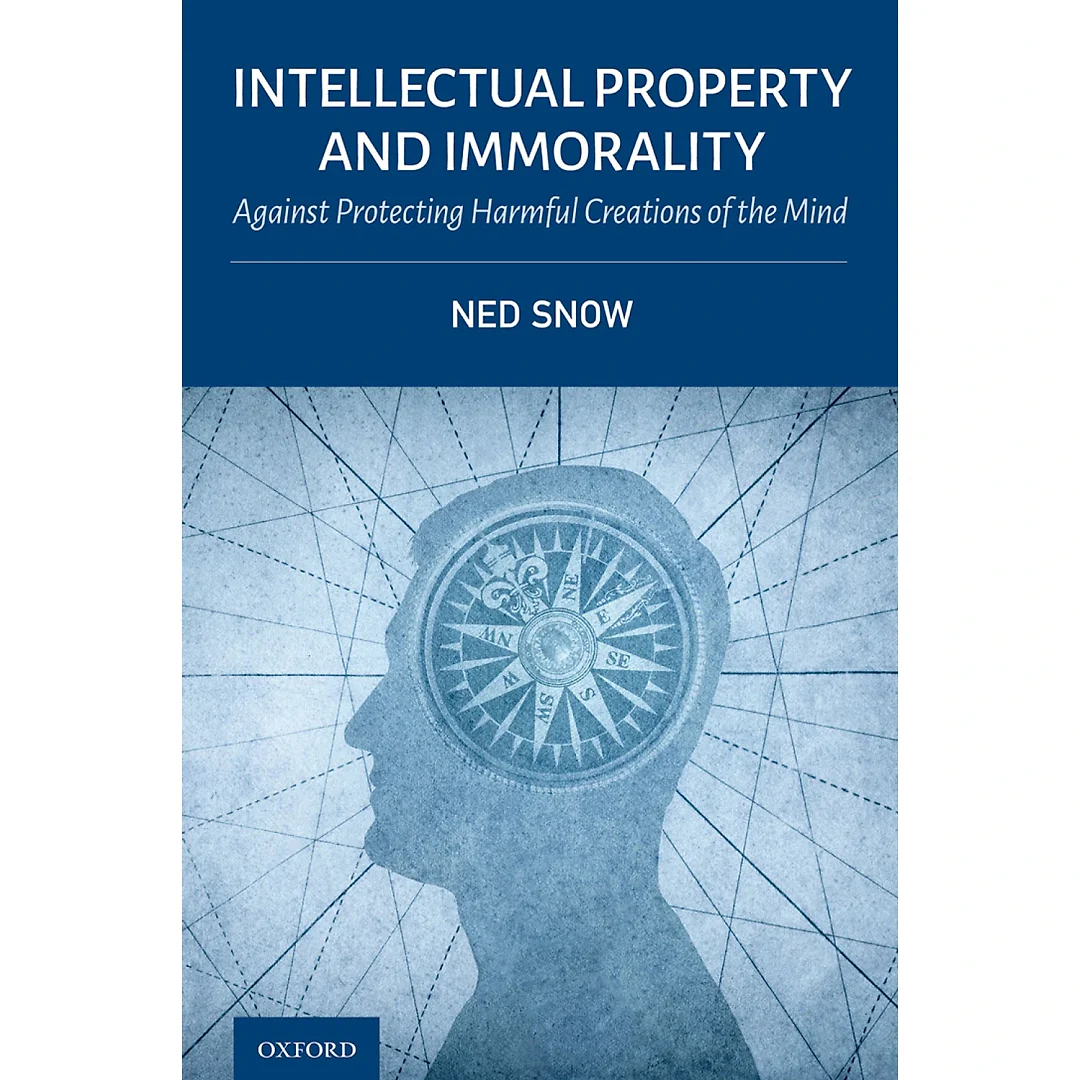
Intellectual Property and Immorality: Against Protecting Harmful Creations of the Mind
In stockBuy More Save More!
The more you buy, the more you save

Intellectual Property and Immorality: Against Protecting Harmful Creations of the Mind
$32.00
Should a machine that emits harmful levels of pollution receive patent protection? Should pornography receive copyright protection? This book argues that certain intellectual creations should not receive patent or copyright protection on the grounds that those works are harmful to society.
The book posits that the theories of intellectual property and the Intellectual Property Clause of the U.S. Constitution suggest this conclusion. It also considers several counterarguments: in particular, that denying protection might increase the output of objectionable works, that other laws should address moral problems, and that intellectual property functions better under a laissez-faire approach. Despite these counterarguments, the book contends that law should never encourage or reward harmful behavior.
This simple principle implies that courts should exercise their equitable powers to deny enforcement of intellectual property for works involving unlawful conduct. It implies that courts should deny protection for works that clearly fall outside the Intellectual Property Clause's scope of protectable works. And it implies that Congress should consider denying protection for works that pose clear harms to society. The book also addresses the intersection between denying intellectual property protection and maintaining free speech protection.
In that regard, the book recognizes that the Free Speech Clause severely limits Congress's discretionary authority to deny copyright protection for expression that it deems immoral. The book concludes that courts, Congress, and government agencies should exercise limited discretion in deciding whether certain intellectual works are morally eligible for intellectual property protection.
Book Details
- Author: Ned Snow
- Publisher: Oxford University Press
- eBook ISBN: 9780197614426, 0197614426
- Print ISBN: 9780197614402, 019761440X
- Other ISBNs: 9780197614419


